

In Oluyole Local Government, governance no longer feels distant or abstract. It feels present. You see it on the roads people now use with ease, in communities that finally have clean water, and in the growing confidence of residents who believe their voices matter.
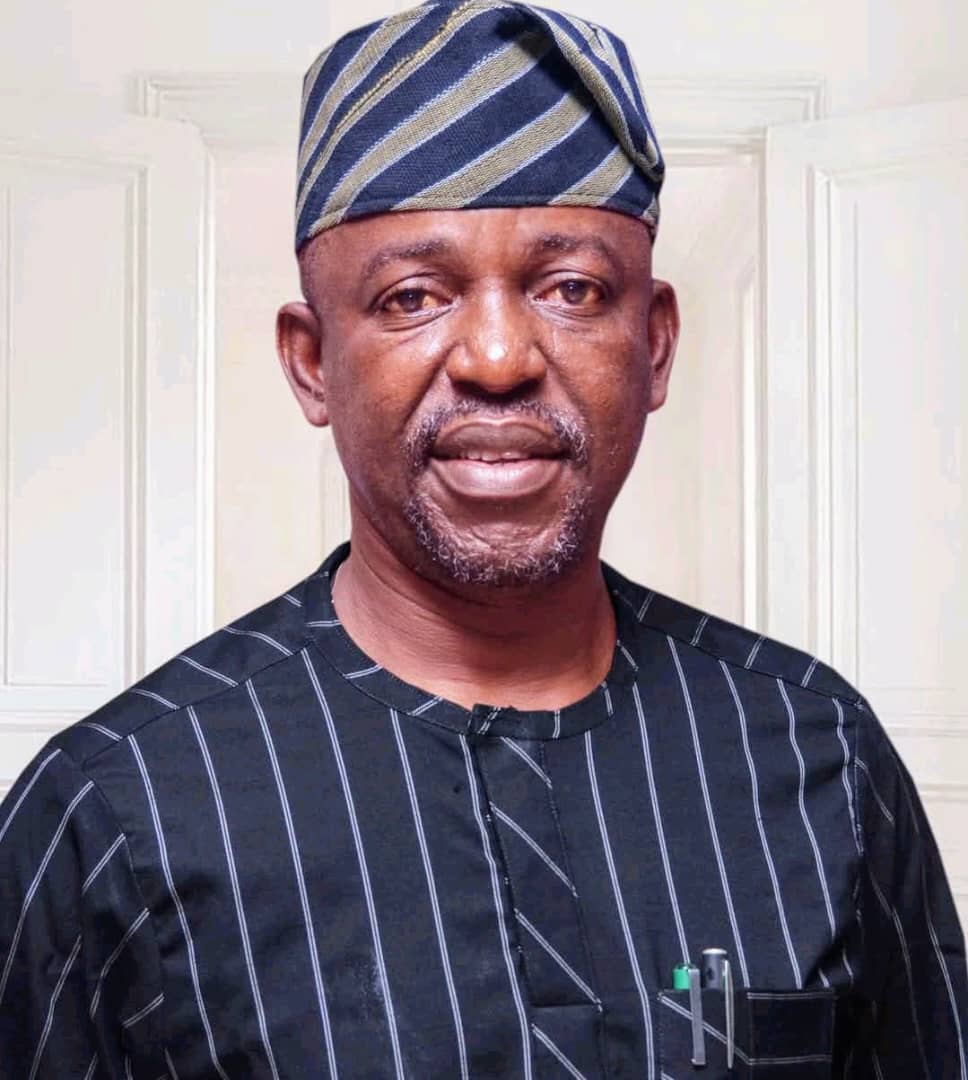
At the middle of this paradigm shift is the Executive Chairman, Hon. Engineer Akeem Olatunji, a leader whose style is changing how local government is experienced at the grassroots.
Olatunji did not come into office with the drama or bravado that often defines Nigerian politics. His approach has been quieter, more deliberate. He listens first. Then he acts. Over time, that combination has built trust, and trust has become his strongest political capital.
From the early days of his administration, it was clear he saw local government as more than an administrative tier. To him, it is the closest expression of democracy. The place where government must work, or it has failed entirely. That thinking has shaped his decisions and priorities.
Across Oluyole, development is no longer concentrated in a few visible areas. Projects are spread deliberately across wards and communities, reflecting an understanding that progress must be shared to be meaningful.
Roads that were once barely passable have been rehabilitated. Public facilities that had lost their relevance are now functional again. Solar powered boreholes have eased the daily burden of residents who once struggled for water. These are not headline grabbing mega projects, but they are the kind that change everyday life.
Security has also received focused attention. Olatunji understands that development cannot survive without safety. By strengthening local security structures and supporting community based initiatives, his administration has worked to restore confidence and calm in areas that once felt vulnerable. Residents speak of quicker responses and a renewed sense that government is watching out for them.
Yet, perhaps the most telling aspect of his leadership is how much attention he gives to people, not just infrastructure. Education, youth development, and social welfare have become steady themes of his tenure.
Free coaching programs, vocational training, scholarships, and health outreaches have all been used as tools to reduce inequality and open doors for those who often feel forgotten. In these moments, governance stops being a policy document and becomes personal.
Olatunji’s leadership style is inclusive by instinct, no doubt, he consults widely before taking any major decision. Traditional rulers, youth groups, women leaders, party stakeholders, and professionals all have a seat at the table.
Town hall meetings and summits are not ceremonial events but working conversations. This openness has helped reduce tension, build consensus, and create a sense of shared ownership of government.
Politically, his reputation has grown steadily. Not because he is loud, but because he is consistent. Within his party and beyond Oluyole, he is increasingly seen as dependable, level headed, and focused on results.
Even when personal political interests are at stake, he has shown a willingness to step back for the sake of unity. That kind of restraint is rare, and people in authority at both party and government levels notice.
Recognition has followed naturally. From professional bodies that acknowledge his engineering background, to traditional institutions that have honored him with chieftaincy titles, the message has been the same. His leadership is respected because it feels sincere. These honors are not seen as rewards, but as affirmations of service already rendered.
What stands out most about Akeem Olatunji is that he has made local government feel relevant again. In a country where many citizens have lost faith in governance at the grassroots, Oluyole offers a different story. One where leadership is measured by impact, not noise. Where politics is a tool for service, not self promotion.
As his political profile continues to soar high, there is a growing sense that his work in Oluyole is only the beginning. For now, though, the legacy is already taking shape.
A local government that works better. Communities that feel seen. And a leader whose quiet consistency is steadily reshaping what people expect from those in power.
Henry Odeh is a journalist, online publisher and a public affairs analyst. He writes from Ibadan.