

Medical experts from Nigeria and abroad have called for urgent national action to combat osteoporosis, warning that the silent bone disease is becoming a growing public health challenge as Nigeria’s population continues to age.
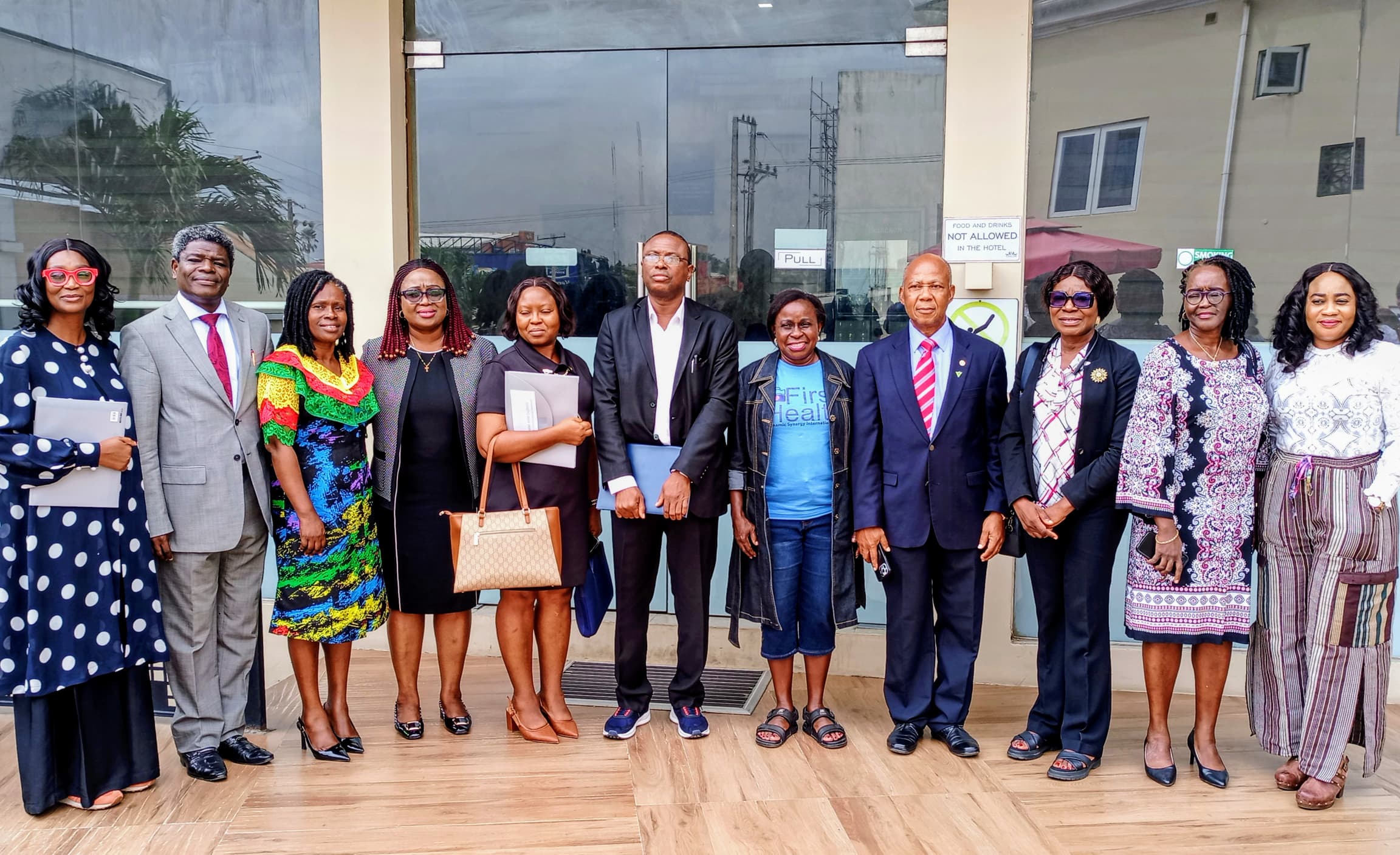
The experts made the call in Ibadan on Thursday at the inaugural meeting of the Osteoporosis Care Network (TOCAN), convened by First Health Dynamic Synergy International Limited in Ibadan, where they advocated increased public awareness, routine screening, multidisciplinary management and stronger government policies to reduce the burden of osteoporosis and its complications.
Delivering the keynote address, renowned orthopaedic surgeon and Chief Executive Officer of First Health Dynamic Synergy International Limited, Prof. Temitope Alonge, described osteoporosis as one of the country’s most neglected non-communicable diseases despite its devastating health, social and economic consequences.
According to him, the newly established TOCAN was created to coordinate national efforts towards the prevention, early diagnosis and treatment of osteoporosis while improving the management of complications associated with the disease.
“Osteoporosis is often called the silent disease because it progresses quietly until a fracture occurs. Unfortunately, by the time many patients seek medical attention, irreversible damage has already taken place,” Alonge said.
He noted that although more than 200 million people worldwide are estimated to be living with osteoporosis, awareness in Nigeria remains poor, while access to bone mineral density testing is still limited.
The former Chief Medical Director of the University College Hospital (UCH), Ibadan, lamented that many fragility fractures are wrongly attributed to old age, leading to delayed diagnosis and treatment.
“As Nigerians continue to live longer, osteoporosis is becoming increasingly common. Yet many hospitals do not have dedicated osteoporosis clinics, while national screening programmes are almost non-existent. Thousands of Nigerians therefore suffer preventable fractures every year,” he stated.
Alonge explained that osteoporosis affects not only post-menopausal women but also elderly men, cancer patients, diabetics, people living with chronic kidney disease, patients on long-term steroid therapy and individuals with rheumatoid arthritis.
He identified poor nutrition, calcium and vitamin D deficiencies, physical inactivity, smoking, excessive alcohol consumption and prolonged corticosteroid use as major preventable risk factors.
He warned that osteoporotic fractures, particularly fractures of the hip and spine, often result in disability, chronic pain, loss of independence, emotional trauma and enormous financial burdens on families.
“The best treatment remains prevention. Healthy bones begin in childhood through adequate calcium intake, vitamin D, regular physical activity and balanced nutrition. Preventing osteoporosis is far less expensive than treating fractures,” he added.
The professor urged governments at all levels to formulate a national osteoporosis policy, expand access to DEXA scanning, subsidise medications and strengthen elderly healthcare services.
He further advocated multidisciplinary collaboration among orthopaedic surgeons, family physicians, endocrinologists, rheumatologists, physiotherapists, pharmacists, dietitians, nurses and geriatricians to improve patient outcomes.
Speaking on the role of physiotherapy, Dr Nse Odunaiya, an Associate Professor and Consultant Physiotherapist at the University of Ibadan and University College Hospital, Ibadan, who is also based in Cape Town, South Africa, stressed that physical activity remains one of the most effective preventive measures against osteoporosis.
Elaborating on osteoporosis pathology among older and younger adults, she explained that bone loss is not limited to elderly people, noting that younger adults could also develop osteoporosis under certain medical and lifestyle conditions.
She maintained that exercise should be promoted primarily as a preventive strategy rather than merely as part of treatment after fractures have occurred.
According to her, regular weight-bearing exercises, muscle-strengthening activities and balance training help maintain bone density, reduce the risk of falls and significantly lower the incidence of fragility fractures.
Consultant gynaecologist Dr Taiwo Tsele, who spoke on Women, Menopause and Bone Health, lamented that many Nigerian women endure menopausal symptoms without seeking medical attention because of societal misconceptions.
She described the situation as women “dying in silence,” explaining that menopause is frequently regarded as a natural phase that must simply be endured instead of being properly managed.
Dr Tsele said hormonal changes associated with menopause significantly accelerate bone loss, placing women at greater risk of osteoporosis and fractures.
She advocated routine screening, early medical consultation and adherence to preventive healthcare recommendations, including internationally recognised screening guidelines such as those of the United States Preventive Services Task Force.
She also highlighted healthy nutrition, regular exercise, weight management, smoking cessation and adequate vitamin D and calcium intake as essential lifestyle strategies for maintaining bone health during and after menopause.
Speaking on advances in drug therapy, US-certified pharmacist Mrs Kemi Olutayo of the University College Hospital assured participants that osteoporosis is treatable when diagnosed early and properly managed.
She reviewed modern medications available for osteoporosis management and urged patients to strictly comply with treatment prescribed by qualified healthcare professionals.
According to her, successful treatment depends not only on medications but also on patient adherence to medical advice, follow-up appointments and healthy lifestyle modifications.
She advised Nigerians against self-medication and reliance on unverified remedies for bone diseases.
Also speaking, Dr Jokotade Adeleye of the Department of Medicine, University College Hospital, delivered an extensive presentation on Vitamin D and Calcium Metabolism, explaining their central roles in maintaining healthy bones.
He said deficiencies in either nutrient significantly increase the risk of osteoporosis by impairing bone formation and reducing bone strength.
He encouraged Nigerians to maintain adequate dietary calcium intake, embrace safe sunlight exposure to improve vitamin D synthesis and seek professional medical evaluation where deficiencies are suspected.
In his presentation, Mr Akingbile Adebola, Deputy Director and Medical Laboratory Scientist in Oyo state, emphasized the importance of laboratory investigations in the diagnosis and monitoring of osteoporosis.
He stressed that accurate laboratory evaluation assists clinicians in identifying metabolic abnormalities, monitoring treatment response and excluding other medical conditions that may contribute to bone loss.
Joining the conference virtually from Ghana, Dr Elizabeth Balogun called for stronger collaboration among African countries in tackling osteoporosis through research, professional training and public awareness campaigns.
She noted that osteoporosis remains under-recognised across many African nations despite the increasing burden of non-communicable diseases and ageing populations.
She urged governments, academic institutions and healthcare professionals across the continent to work together in developing context-specific policies and evidence-based interventions capable of reducing osteoporosis-related disability and mortality.
The inauguration of the Osteoporosis Care Network, participants noted, represents a significant step towards building a coordinated national response to osteoporosis through advocacy, research, professional education and multidisciplinary collaboration.
The network is expected to promote public awareness, develop evidence-based treatment guidelines, encourage early diagnosis, support healthcare professionals and advocate improved access to quality bone health services across Nigeria.
Participants unanimously agreed that with greater awareness, timely screening, healthier lifestyles and improved access to specialist care, thousands of osteoporosis-related fractures and avoidable deaths could be prevented annually, significantly improving the quality of life of Nigeria’s ageing population.