

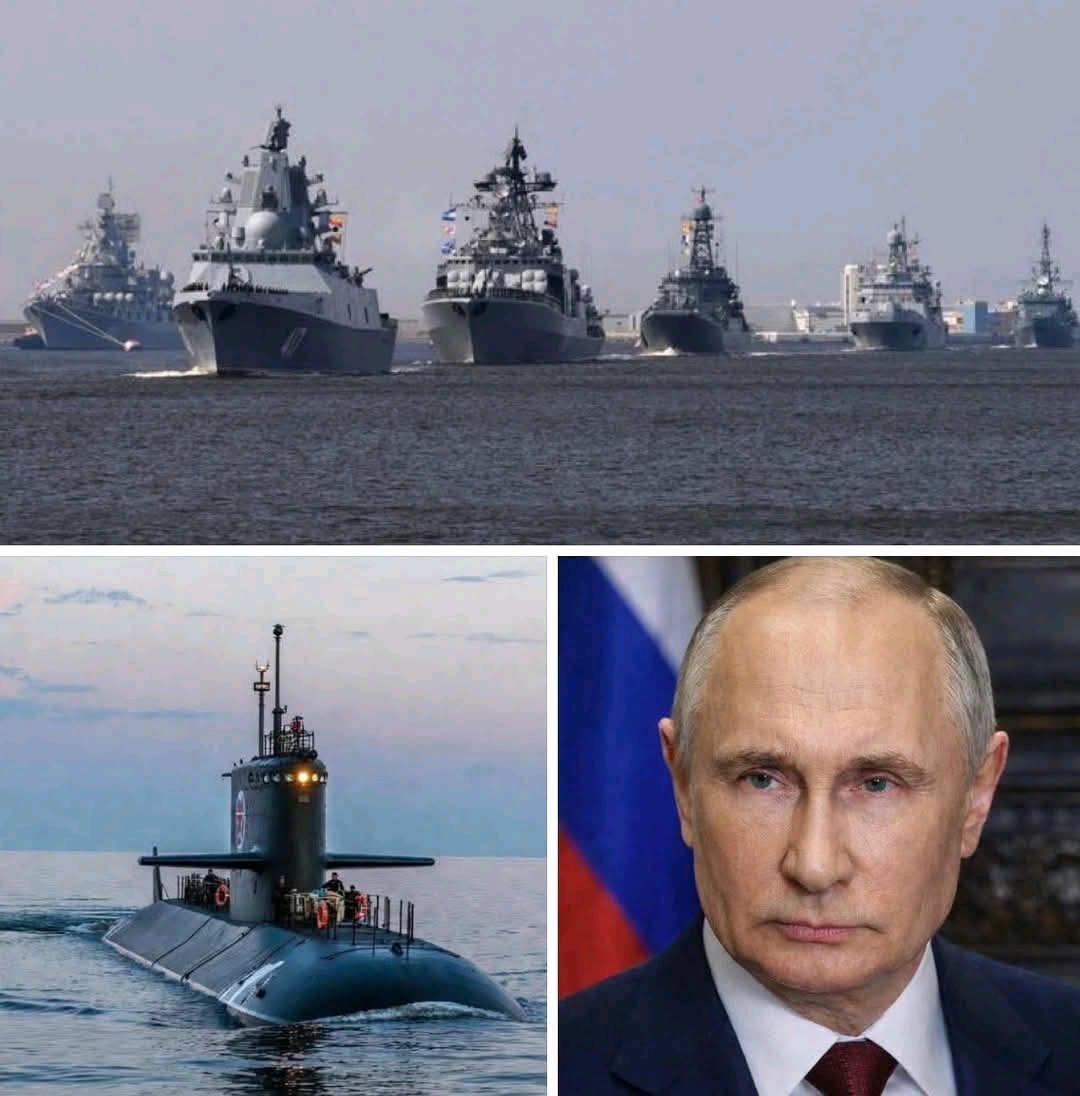
Tensions between major powers at sea have taken a dramatic turn as Russia has deployed naval vessels, including a submarine, to escort an oil tanker being pursued by United States forces across the North Atlantic.
According to multiple reports, the vessel at the centre of the standoff is the Marinera, formerly known as Bella 1, an ageing oil tanker previously involved in transporting Venezuelan crude.
For more than two weeks, the United States Coast Guard has trailed the vessel, which had appeared to defy a U.S. blockade targeting sanctioned oil shipments.
The pursuit began after a U.S. attempt to board the tanker in the Caribbean in late December 2025 under a federal warrant linked to alleged sanctions violations.
Crew members refused the boarding, and the ship steamed into the Atlantic. In a bold move, the crew painted a Russian flag on the hull, renamed the vessel Marinera, and registered it under the Russian flag while at sea, a tactic that has added layers of legal and diplomatic complexity to the situation.
In response to the ongoing chase, Russia is said to have dispatched a submarine and other naval assets into the North Atlantic to accompany the tanker. U.S. officials have indicated they were preparing to seize the ship, a step that could have mandated direct interaction with the Russian warships.
The standoff unfolds against the backdrop of a broader U.S. strategy aimed at tightening enforcement of sanctions on Venezuelan oil exports, a key revenue source for Caracas, which Washington has accused of involvement in drug trafficking and other illicit activities.
Venezuelan authorities have dismissed U.S. measures as illegitimate “theft.”
Moscow has publicly insisted that the Marinera is operating under the Russian flag in accordance with international maritime law, and warned against unwarranted interference by Western powers.
The Russian Foreign Ministry has called on other nations to respect freedom of navigation and flag-state rights.
The deployment of naval forces so far from Russia’s immediate maritime region marks a significant escalation in maritime posturing between Washington and Moscow.
It comes amid wider tensions tied to U.S.-Russia relations and ongoing disputes over sanctions enforcement, geopolitical influence, and maritime law.
As of the time of filing this report, the standoff remains unresolved, and international attention is focused on how U.S. and Russian forces will navigate the legal and diplomatic fallout of this rare high-seas confrontation.